

 English
 русский
 Español
 عربى
عربى
As a professional hardware product manufacturing, R&D, design, and production enterprise, we are recognized as a pioneer in the hardware industry.
When it comes to upgrading or building cabinets and wardrobes, the zinc alloy cabinet wardrobe handle stands out as the most balanced and practical choice on the market. It successfully bridges the gap between high-end aesthetics, long-lasting durability, and manufacturing versatility. Unlike plastic handles that easily snap or solid brass handles that stretch the budget, zinc alloy provides a premium metallic feel at an accessible price point. Its exceptional casting properties allow for intricate designs that can mimic vintage, modern, or minimalist styles, while its inherent corrosion resistance ensures that these handles will maintain their appearance and function for years, even in humid environments like kitchens and bathrooms.
Material Properties of Zinc Alloy
Understanding why a zinc alloy cabinet wardrobe handle performs so well requires a look at the material's innate characteristics. Zinc alloy is a composite material primarily made of zinc, combined with other elements like aluminum, copper, and magnesium. This combination results in a material that is far greater than the sum of its parts.
Superior Corrosion Resistance
One of the most significant advantages of zinc alloy is its ability to withstand environmental factors. In spaces like kitchens and wardrobes, humidity and temperature fluctuations are common. Zinc alloy naturally forms a protective layer when exposed to the atmosphere, preventing the internal metal from oxidizing. When coupled with modern surface finishing techniques, a zinc alloy handle can resist rust, sweat, and cleaning chemicals effectively. This means the handle will not leave unsightly stains on your cabinet doors over time, a common issue with lower-quality metals.
Impressive Mechanical Strength
Despite its ability to be cast into delicate shapes, zinc alloy is incredibly strong. It possesses a high tensile strength and yield strength, meaning it can endure the constant pulling and pushing forces of daily use without bending or breaking. The material also has excellent wear resistance, ensuring that the mounting points do not strip out over the years of installation and removal. For heavy wardrobe doors or large cabinet drawers, this structural integrity provides peace of mind.
Cost-Effectiveness and Casting Versatility
From a manufacturing standpoint, zinc alloy has a relatively low melting point compared to stainless steel or brass. This allows it to be cast into highly detailed, complex molds with extreme precision. Whether you desire a handle with intricate vintage scrollwork or a sleek, seamless modern bar, zinc alloy can achieve it without exorbitant machining costs. This manufacturing efficiency translates directly to cost savings for the consumer without sacrificing quality.
Common Types and Design Styles
The aesthetic impact of a zinc alloy cabinet wardrobe handle should not be underestimated. It is the jewelry of the furniture, capable of tying a room's design language together. Because of the material's casting versatility, the market offers an overwhelming variety of styles.
Minimalist and Contemporary Bar Pulls
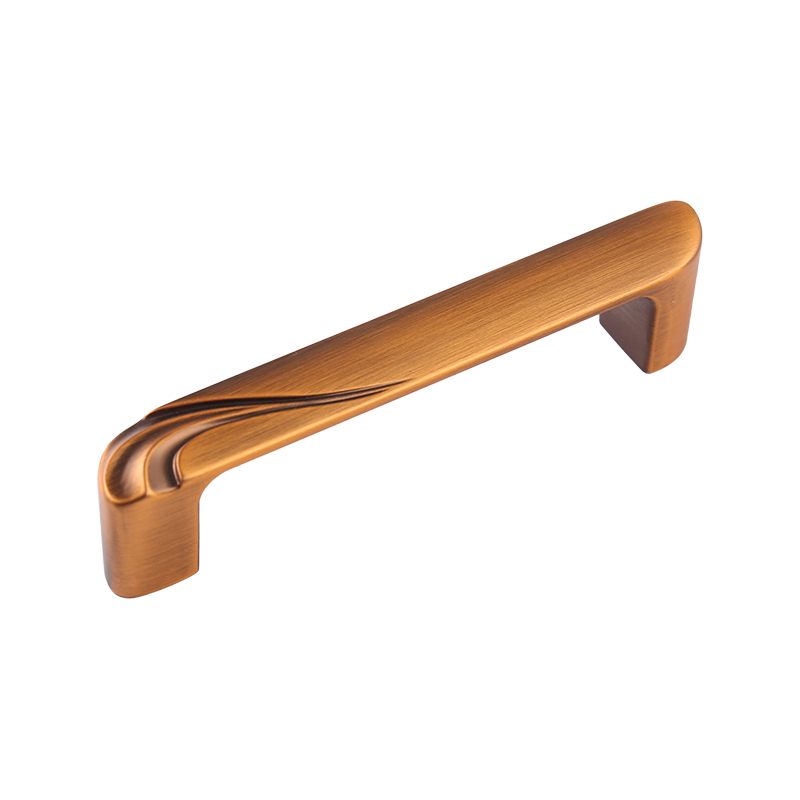
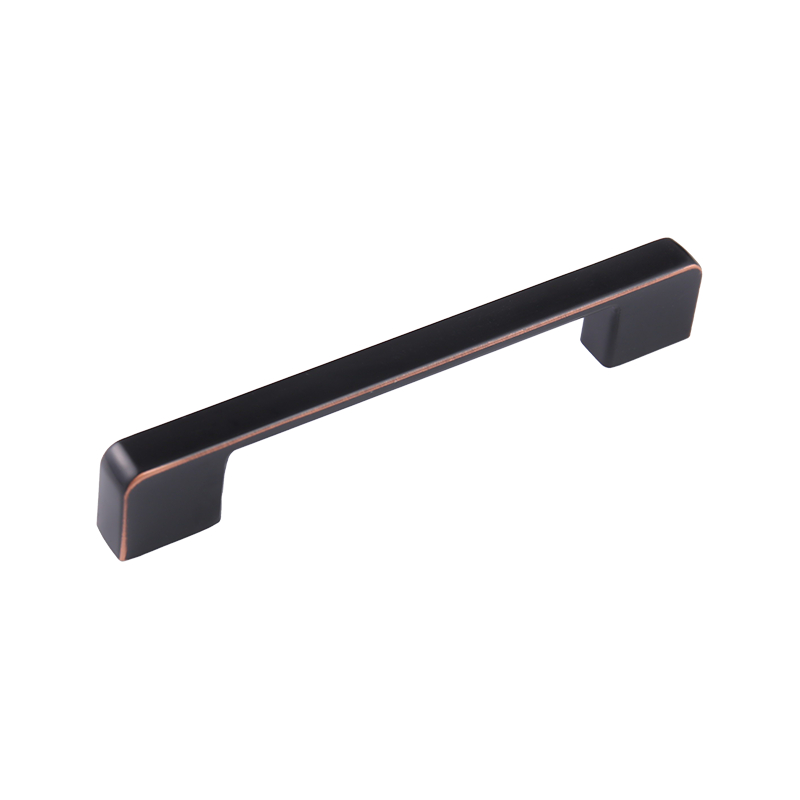
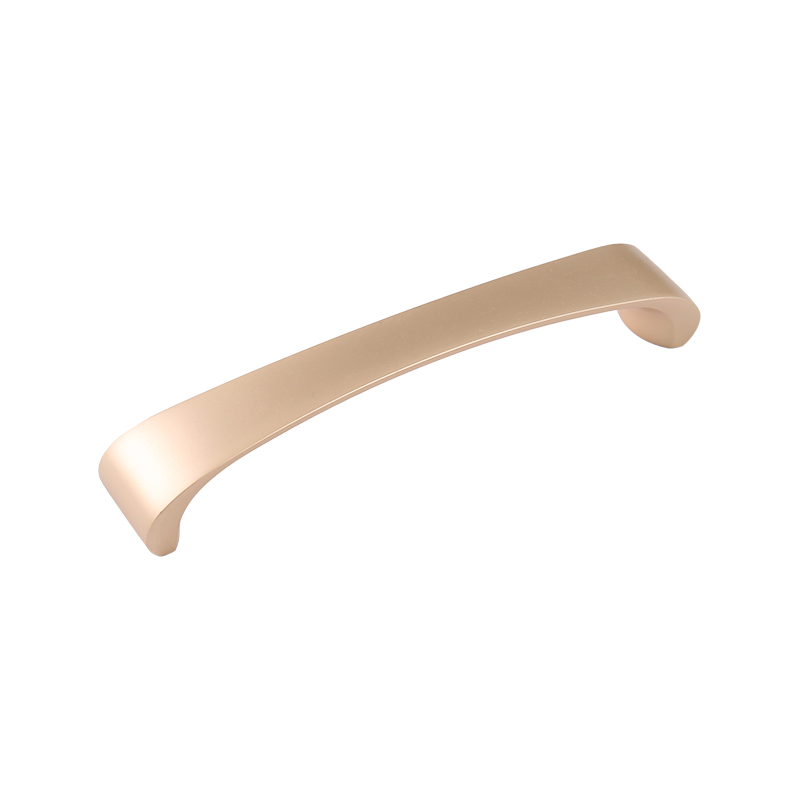
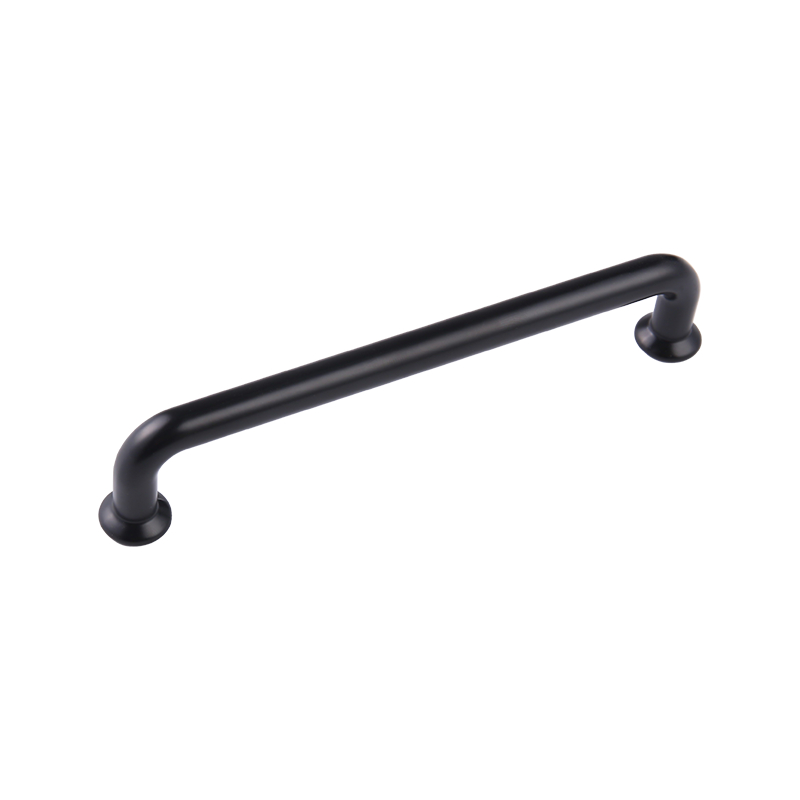
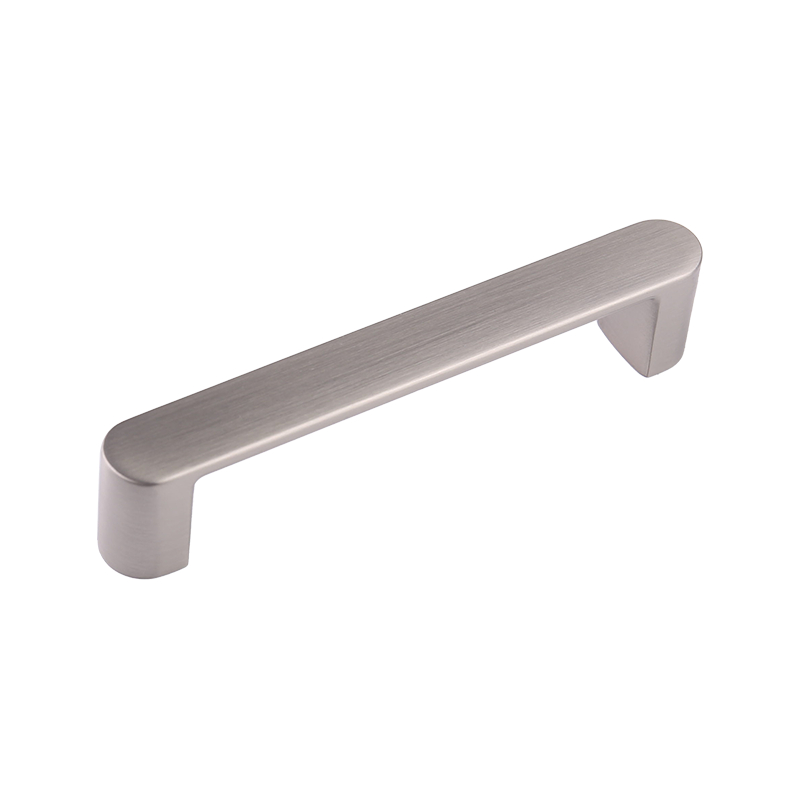
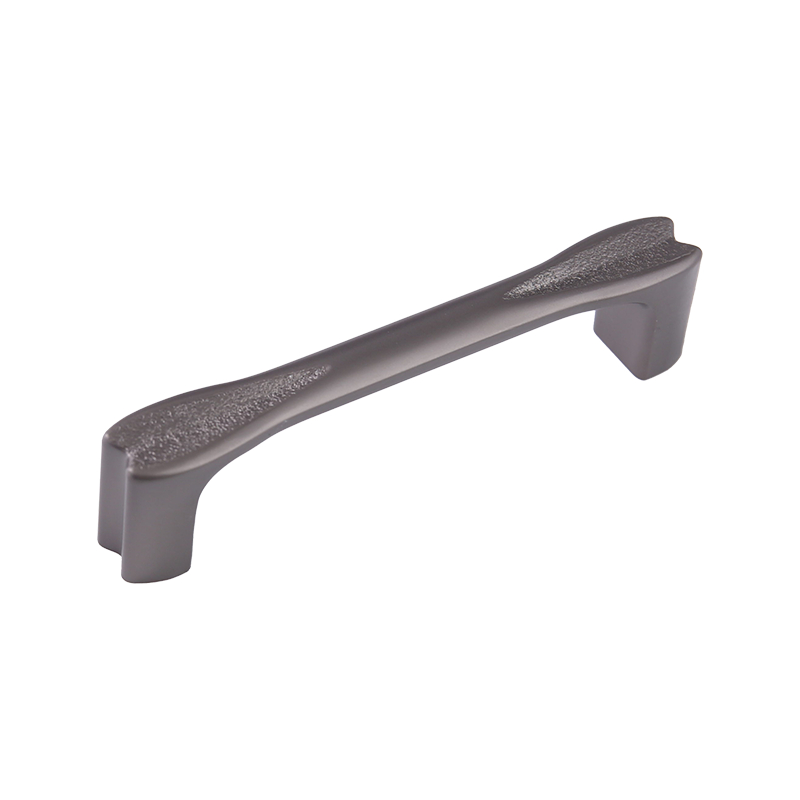
For modern and contemporary interiors, clean lines and minimalist profiles are essential. Zinc alloy bar pulls are typically sleek, straight, and free of ornate detailing. They are often finished in matte black, brushed nickel, or gunmetal gray. These handles provide a firm, comfortable grip and visually elongate the cabinet doors, creating a sense of height and continuity in the space.
Vintage and Ornate Ring Handles
For classical, traditional, or farmhouse-style interiors, ornate ring handles and bin pulls are highly sought after. Zinc alloy can be cast to replicate the look of hand-forged iron or antique brass, complete with textured details and patina effects. These handles add a touch of historical charm and tactile richness to any wardrobe or cabinet.
Ergonomic Profile Handles
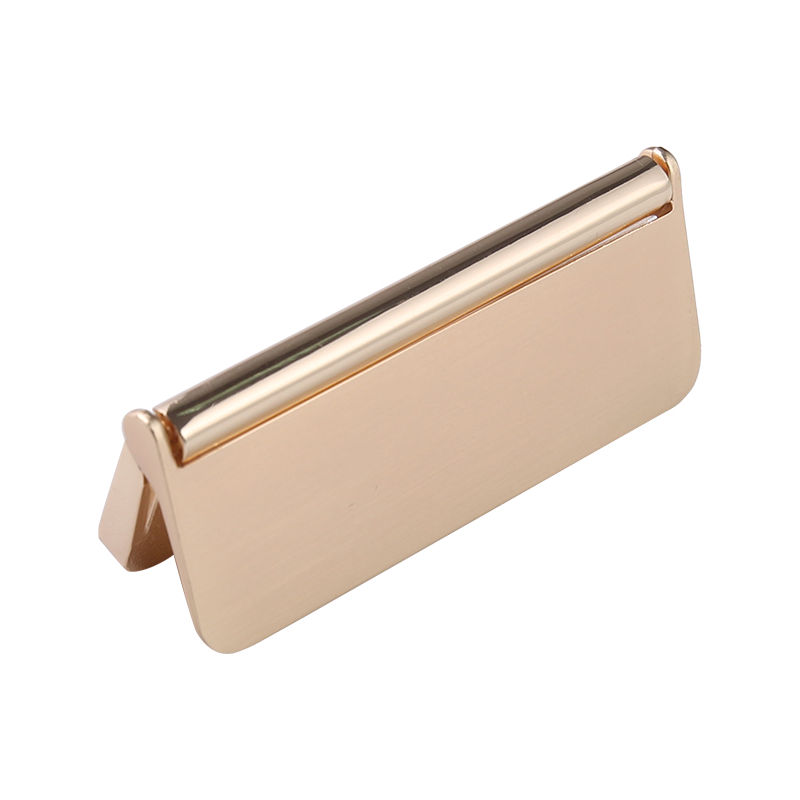
Profile handles, or integrated handles, are designed to sit flush against the cabinet surface, offering a discreet gripping edge. This style is perfect for ultra-modern kitchens or sleek bedroom wardrobes where the handle should not interrupt the flat plane of the cabinetry. Zinc alloy is ideal for this because it can be engineered with precise internal angles that allow fingers to hook comfortably while keeping the exterior completely flat.
Surface Finishes and Aesthetic Impact
The raw zinc alloy is never left exposed; the surface finish dictates both the visual appeal and the tactile experience of the handle. The finishing process not only adds color but also adds a secondary layer of protection against wear and tarnishing.
| Finish Type | Visual Effect | Best Suited Interior Style | Durability Feature |
|---|---|---|---|
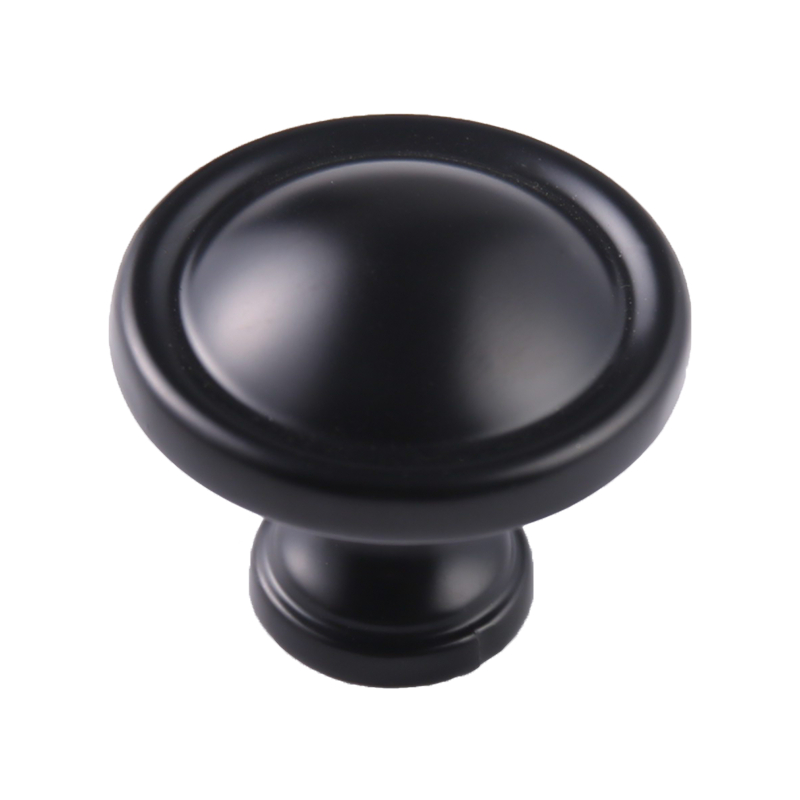
| Matte Black | Bold, flat, non-reflective | Modern, Industrial, Farmhouse | Resists fingerprints and water spots |
| Brushed Nickel | Subtle metallic sheen, directional grain | Transitional, Contemporary | Hides minor scratches effectively |
| Polished Chrome | Mirror-like, highly reflective | Art Deco, Glam, Retro | Extremely hard, resists tarnishing |
| Antique Brass | Warm, muted gold with dark accents | Traditional, Vintage, Rustic | Aging patina blends with wear |
The choice of finish should be a deliberate design decision. Brushed finishes tend to be more forgiving in busy households, as their directional texture disguises minor scratches and water marks. Polished finishes offer unparalleled elegance but require more frequent wiping to maintain their shine. Matte finishes provide a dramatic contrast against light-colored cabinetry and have become incredibly popular for their modern, understated look.
How to Choose the Right Handle for Your Space
Selecting the perfect zinc alloy cabinet wardrobe handle involves more than just picking a design you like. It requires careful consideration of the furniture's proportions, the room's function, and the user's daily habits. A handle that is too small for a large wardrobe door will be difficult to open, while an oversized handle on a small cabinet will look visually heavy and awkward.
Proportions and Sizing
The size of the handle must be proportional to the drawer or door it is attached to. A general rule of thumb is that the handle should span approximately one-third to two-thirds of the drawer width. For tall wardrobe doors, a long bar pull provides a balanced look, while smaller cabinet doors often look best with a compact knob or a short T-pull. Always measure the existing drill holes if you are replacing old handles, as this will dictate the center-to-center spacing you need.
Ergonomics and Comfort
Consider who will be using the furniture. If the household includes elderly individuals or people with arthritis, a handle with a wide, comfortable grip and ample clearance for fingers is essential. Knobs can be difficult to grasp for those with limited dexterity, whereas a thick bar pull or a ring handle with a generous opening is much more user-friendly. Always test the feel of a handle in your hand before committing to a large quantity.
Matching Existing Hardware
Cohesion is key to a well-designed space. While it is acceptable to mix metals, it should be done intentionally. If your kitchen appliances are stainless steel and your faucet is brushed nickel, choosing a zinc alloy cabinet wardrobe handle in a matching brushed nickel will create a seamless, harmonious look. Mixing too many different finishes can make the space feel chaotic and unplanned.
Installation and Maintenance Guidelines
Proper installation and regular maintenance are crucial to ensuring that your zinc alloy handles look great and function smoothly for the lifetime of your furniture. Even the highest quality handle will fail if it is installed poorly or subjected to harsh chemical cleaning.
Installation Best Practices
Installing a handle is a straightforward process, but precision is vital. Always measure twice and drill once. When installing on heavy wardrobe doors, ensure that the screws provided are long enough to bite into the solid wood or thick MDF of the door. If the screws are too short, the handle will pull out under tension. For particularly heavy doors, consider using machine bolts with nuts rather than wood screws for a more secure hold.
- Use a template or a jig to ensure perfectly aligned drill holes across all cabinet doors.
- Drill from the outside of the door inward to prevent blowout on the visible surface.
- Hand-tighten screws rather than using a power drill to avoid stripping the threads in the zinc alloy.
- Check the tightness of the handles periodically over the first few months as the cabinet material settles.
Cleaning and Care
Zinc alloy handles are low maintenance, but they do require proper care to preserve their finish. Avoid using abrasive cleaners, steel wool, or harsh chemical solvents, as these will scratch or strip the protective surface coating. Instead, simply wipe the handles with a soft cloth dampened with mild soapy water, and immediately dry them with a clean cloth. This prevents water spots and keeps the handles looking pristine.
Comparative Analysis: Zinc Alloy vs. Alternatives
To truly appreciate the value of a zinc alloy cabinet wardrobe handle, it helps to compare it directly against other common materials used in furniture hardware. Each material has its place, but zinc alloy offers the most well-rounded profile for the average consumer.
Zinc Alloy vs. Stainless Steel
Stainless steel is renowned for its sheer durability and resistance to rust. It is often the go-to choice for commercial or marine environments. However, stainless steel is extremely hard, making it difficult and expensive to cast into intricate, decorative shapes. Most stainless steel handles are limited to simple, industrial-looking bars or rounded tubes. Zinc alloy, on the other hand, offers vastly superior design flexibility, allowing for ornate details and complex ergonomics that stainless steel simply cannot achieve at a reasonable price.
Zinc Alloy vs. Solid Brass
Brass is a premium material with a beautiful, warm tone that develops a rich patina over time. While brass is durable and offers good corrosion resistance, it is a high-end material with a price tag to match. Furthermore, solid brass is relatively soft and can bend under heavy load if cast too thinly. Zinc alloy replicates the look of brass flawlessly through advanced finishing techniques but at a fraction of the cost, while also providing superior rigidity and structural strength.
Zinc Alloy vs. Aluminum
Aluminum is lightweight, inexpensive, and naturally rust-proof. However, it lacks the substantial, premium feel that consumers expect from quality furniture hardware. Aluminum handles often feel hollow and can be easily scratched or dented due to the metal's softness. Zinc alloy has a much denser and heavier feel in the hand, conveying a sense of quality and permanence that aluminum cannot match.
| Feature | Zinc Alloy | Stainless Steel | Solid Brass | Aluminum |
|---|---|---|---|---|
| Design Versatility | Highly Versatile | Limited | Versatile | Limited |
| Tactile Weight/Premium Feel | Substantial | Substantial | Substantial | Lightweight |
| Cost Efficiency | High | Medium to High | Low | High |
| Structural Rigidity | Excellent | Excellent | Moderate | Low |
Environmental Sustainability
In today's eco-conscious world, the sustainability of building materials is a growing concern. Zinc alloy scores highly in this regard. Zinc is a naturally occurring element that is essential for all living organisms, and it is fully recyclable without any loss of physical or chemical properties. The recycling process for zinc consumes only a fraction of the energy required to mine and refine new zinc, making it a highly sustainable choice.
The Longevity Factor
The most effective way to be environmentally friendly is to buy items that last. Because a zinc alloy cabinet wardrobe handle is highly resistant to wear, corrosion, and mechanical failure, it rarely needs to be replaced. This longevity reduces the demand for new manufacturing and minimizes waste. When a piece of furniture does eventually reach the end of its life, the zinc alloy handles can be easily removed and recycled into new products, contributing to a circular economy.