

 English
 русский
 Español
 عربى
عربى
As a professional hardware product manufacturing, R&D, design, and production enterprise, we are recognized as a pioneer in the hardware industry.
Zinc Alloy is the Optimal Material Choice for Cabinet Wardrobe Handles
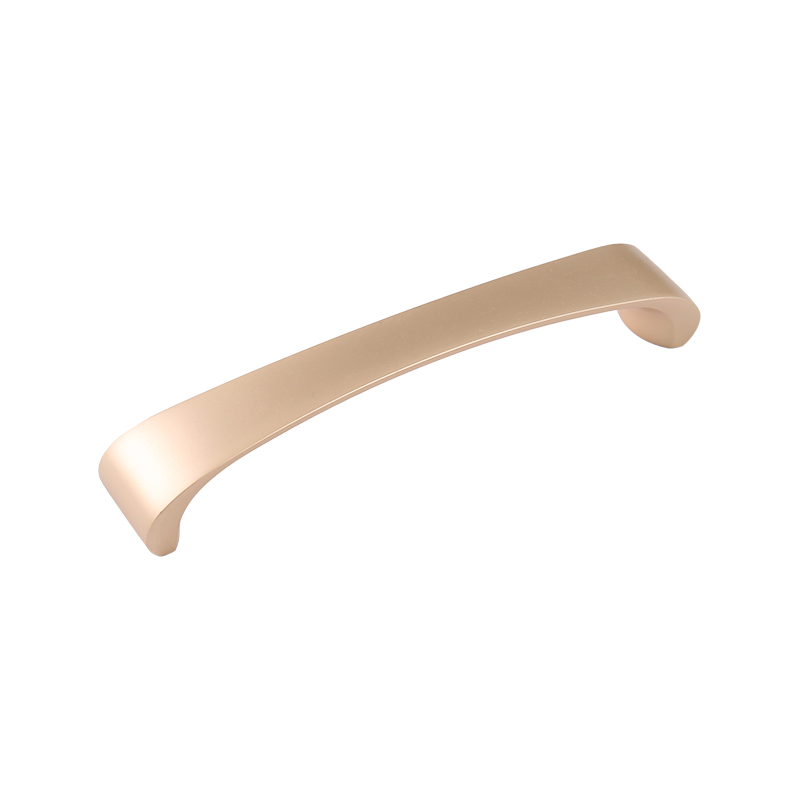
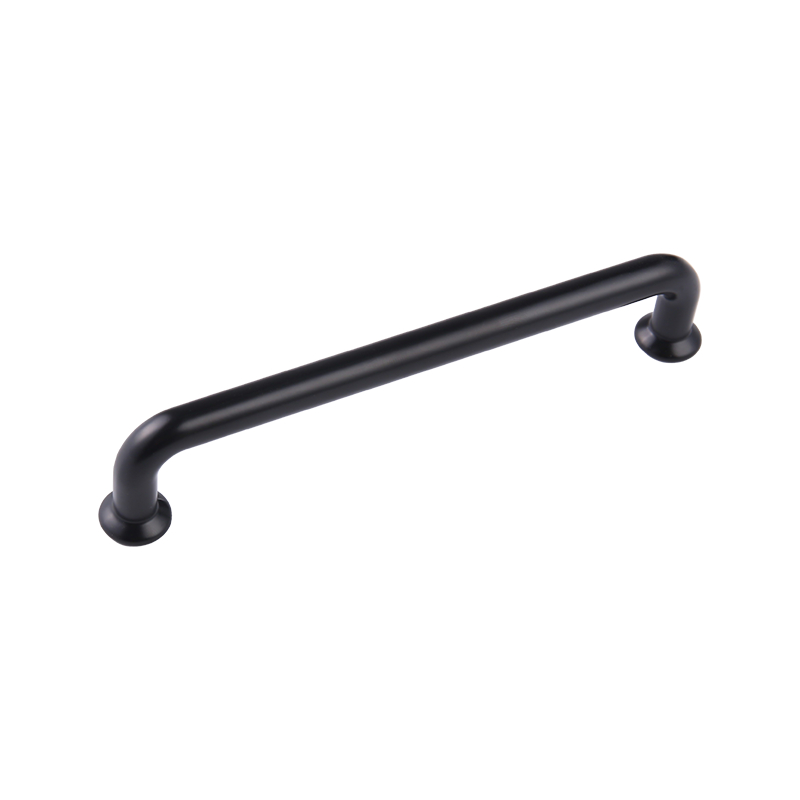
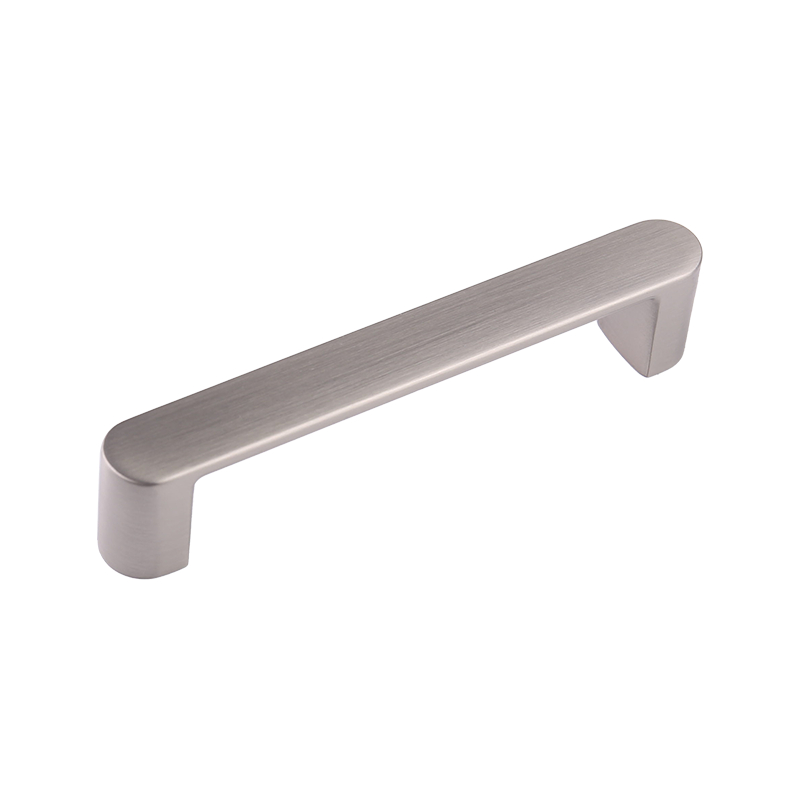
When selecting hardware for furniture, zinc alloy stands out as the most practical and cost-effective material for wardrobe and cabinet handles. Unlike pure plastic that easily snaps under pressure, or solid brass that comes with a prohibitive price tag, zinc alloy successfully bridges the gap between structural integrity and aesthetic versatility. It provides a premium feel that closely mimics more expensive metals while resisting daily wear, moisture, and physical impact far better than standard hardware materials. For anyone looking to upgrade their cabinetry without undergoing a complete renovation, replacing existing handles with zinc alloy variants delivers the most noticeable transformation for the least amount of effort and financial investment.
Understanding the Composition and Manufacturing Process
To appreciate why this material performs so well, it helps to understand how it is made. Zinc alloy is primarily composed of zinc combined with small amounts of aluminum, copper, and magnesium. This specific blend is engineered to enhance the fluidity of the molten metal, allowing it to capture extremely fine details during the casting process.
Die Casting Precision
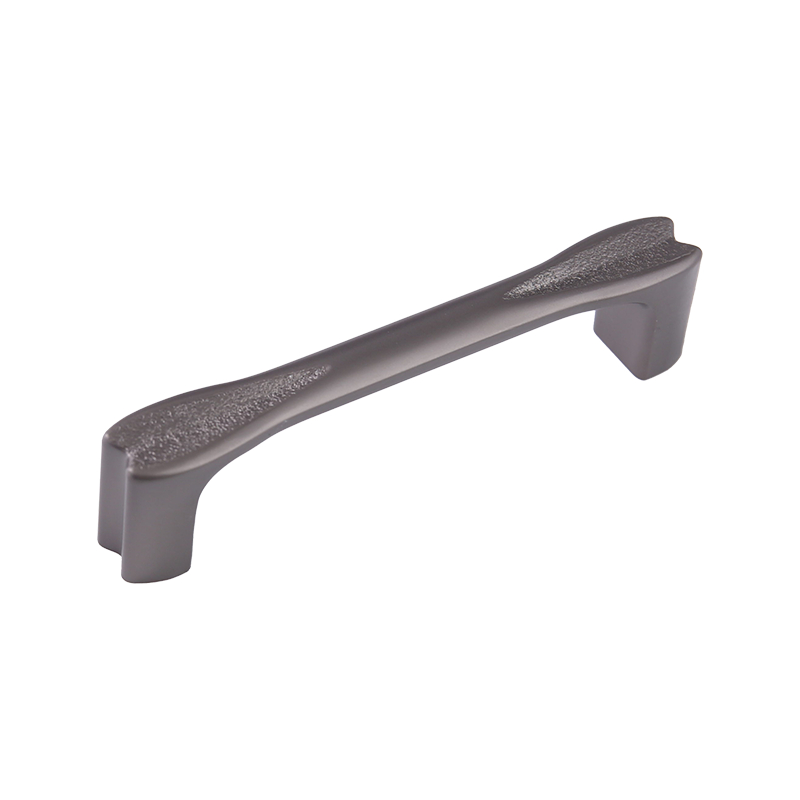
The vast majority of these handles are created using a die-casting method. Molten zinc alloy is injected into a steel mold under high pressure. This technique is crucial because it allows manufacturers to produce handles with complex geometries, sharp lines, and intricate textures that would be impossible or highly costly to achieve with solid metal machining. The resulting handle has a perfectly smooth surface that requires minimal post-processing.
Surface Treatment and Finishing
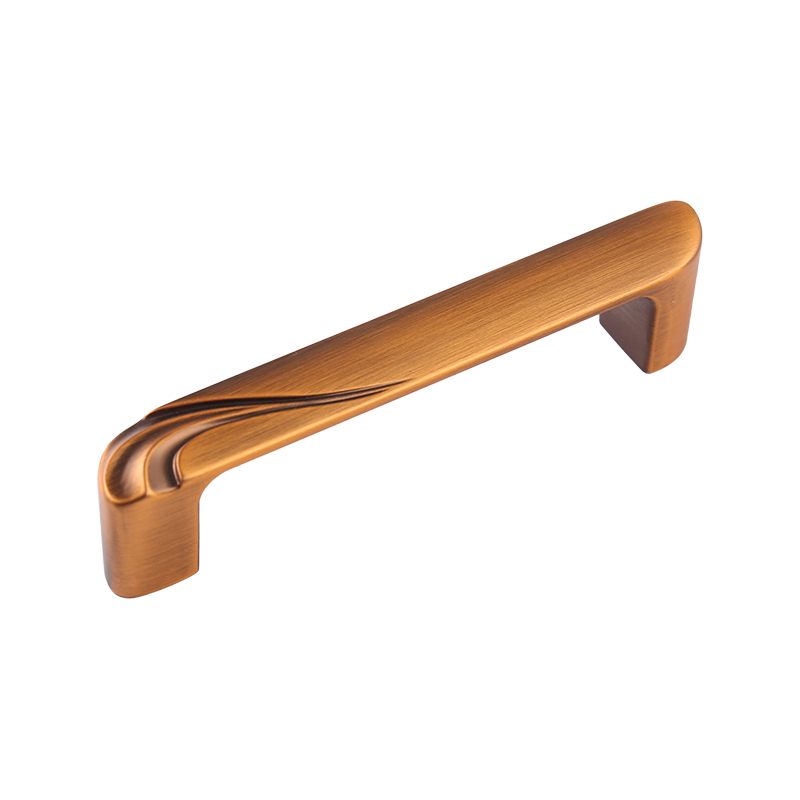
After casting, the raw handle undergoes a multi-step finishing process. It is typically polished, electroplated, and then coated with a clear protective layer. Electroplating is what allows a zinc alloy handle to take on the appearance of brushed nickel, matte black, polished chrome, or antique bronze. This outer layer is not just for looks; it serves as a shield against the elements, preventing the underlying zinc from oxidizing or reacting with the natural oils and moisture present on human hands.
Durability and Performance in Daily Use
A handle is one of the most physically interacted-with components in any home or office. It is pulled, pushed, and subjected to twisting forces every single day. The performance of zinc alloy under these conditions is exceptional, making it a reliable choice for high-traffic areas.
Resistance to Physical Impact
While zinc alloy is not indestructible, it possesses a high tensile strength that easily withstands the force required to open heavy, loaded wardrobe doors or kitchen cabinets filled with dishes. If a heavy object strikes the handle, the material is more likely to absorb the impact without shattering, a distinct advantage over brittle ceramics or lower-grade plastics.
Corrosion and Moisture Resistance
Kitchens and bathrooms are harsh environments for hardware due to constant humidity, temperature fluctuations, and exposure to cleaning chemicals. A properly electroplated zinc alloy handle can easily withstand these high-humidity environments without rusting or corroding. The non-porous surface finish prevents water from penetrating to the base metal, ensuring that the handle maintains its structural integrity and appearance over years of use.
Aesthetic Versatility and Design Flexibility
Hardware acts as the jewelry of a room. It has the power to tie a design theme together or make it feel disjointed. Zinc alloy is unmatched in its ability to adapt to virtually any interior design style, from ultra-modern to rustic farmhouse.
Mimicking Premium Materials
Through advanced plating techniques, zinc alloy can be finished to look virtually identical to solid brass, copper, or pewter. To the naked eye, and even to the touch, a high-quality zinc alloy handle with an antique brass finish is extremely difficult to distinguish from a handle made entirely of solid brass. This allows homeowners to achieve luxury aesthetics on a practical budget.
Ergonomic and Complex Shapes
Because zinc alloy flows so well when molten, designers have complete freedom to create ergonomic shapes that feel comfortable in the hand. Edges can be rounded to prevent pinching, and handles can feature gentle curves or textured grips that make opening heavy drawers effortless. Standard stamped metal handles simply cannot achieve this level of ergonomic complexity.
Weight and Ergonomic Balance
The physical weight of a handle contributes significantly to its perceived quality. A handle that feels hollow or light often feels cheap, regardless of its actual durability. Conversely, solid metal handles can be so heavy that they cause cabinet doors to sag over time or require heavy-duty hinges to support them.
Zinc alloy provides a substantial, satisfying weight that signals high quality without overburdening the cabinet structure. This optimal density makes the handle feel stable and premium in the hand, improving the user experience every time the wardrobe or cabinet is opened.
Cost-Effectiveness Compared to Alternative Materials
Budget is always a consideration in hardware selection, whether for a single bathroom vanity update or a large-scale commercial fit-out. Understanding how zinc alloy compares financially to other options highlights its value proposition.
| Material | Relative Cost | Design Flexibility | Durability |
|---|---|---|---|
| Plastic / Resin | Very Low | High | Low |
| Zinc Alloy | Low to Medium | Very High | High |
| Stainless Steel | Medium to High | Medium | Very High |
| Solid Brass | Very High | Medium | Very High |
As demonstrated in the table, zinc alloy occupies a sweet spot in the market. It avoids the fragility of plastic while offering design possibilities that surpass stainless steel, all at a fraction of the cost of solid brass. This makes it the most economically efficient choice for large-scale projects where both quality and budget are critical.
Installation Practicality and Compatibility
Upgrading hardware should be a straightforward task, not a major construction project. The physical characteristics of zinc alloy make the installation process highly forgiving and accessible to both professional contractors and amateur DIY enthusiasts.
Thread Integrity
The internal threads where the mounting screws insert are formed directly during the die casting process or tapped immediately afterward. Zinc alloy holds threads exceptionally well. Unlike softer metals that might strip if a screw is slightly overtightened, zinc alloy provides a secure, rattle-free connection that keeps the handle firmly anchored to the cabinet door over years of vigorous use.
Standardized Mounting Hardware
These handles are almost universally manufactured to accept standard metric or imperial screws. This standardization means that when replacing an old handle, the existing screw holes in the cabinet doors will almost always align perfectly with the new zinc alloy handle. This eliminates the need for drilling new holes, filling old holes, or repainting the cabinet surface, significantly reducing the time and mess associated with the upgrade.
Selecting the Right Zinc Alloy Handle for Your Space
Not all zinc alloy handles are created equal. The final quality depends heavily on the thickness of the electroplated finish and the precision of the mold. Knowing what to look for ensures you receive a product that will last.
Evaluating Surface Quality
When evaluating a handle, run your thumb over the surface. A high-quality zinc alloy handle will feel perfectly smooth with no pits, bubbles, or rough patches. Examine the handle under good lighting; the finish should be consistent, without uneven areas where the underlying metal shows through. A thick, uniform plating is the primary indicator of long-term durability.
Matching Handle Styles to Door Types
The style of the handle should complement the door it is attached to. Here are practical guidelines for common applications:
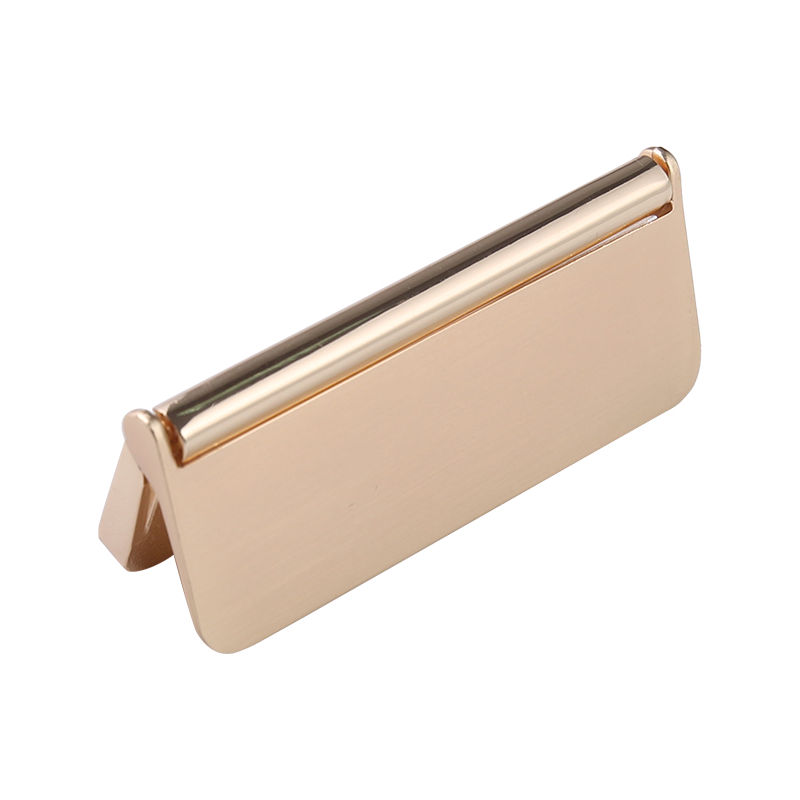
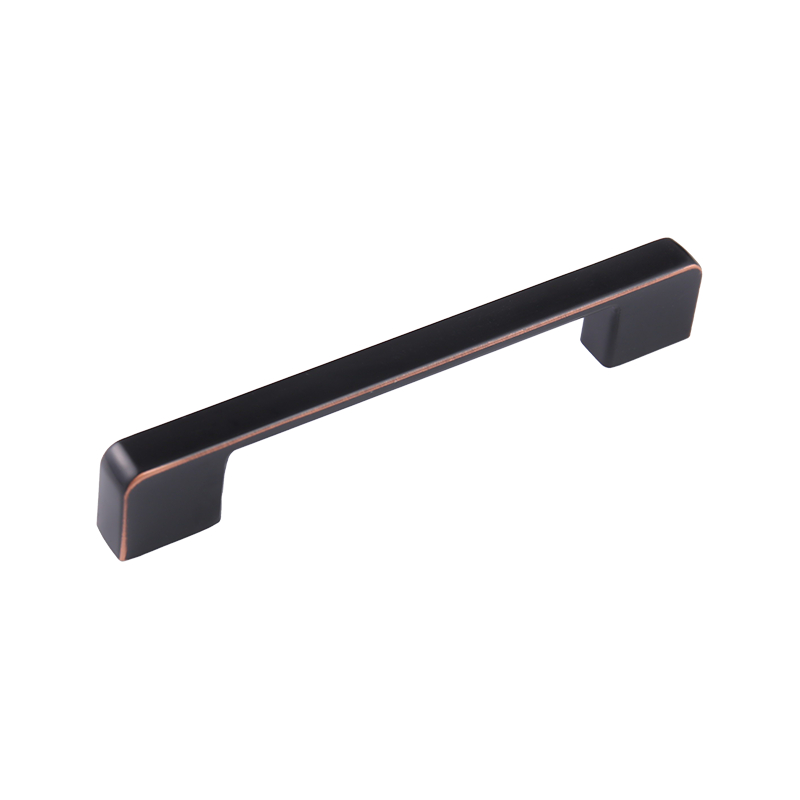
- Flat-panel modern cabinets: Opt for minimalist bar handles or integrated finger pulls in a matte black or brushed nickel finish.
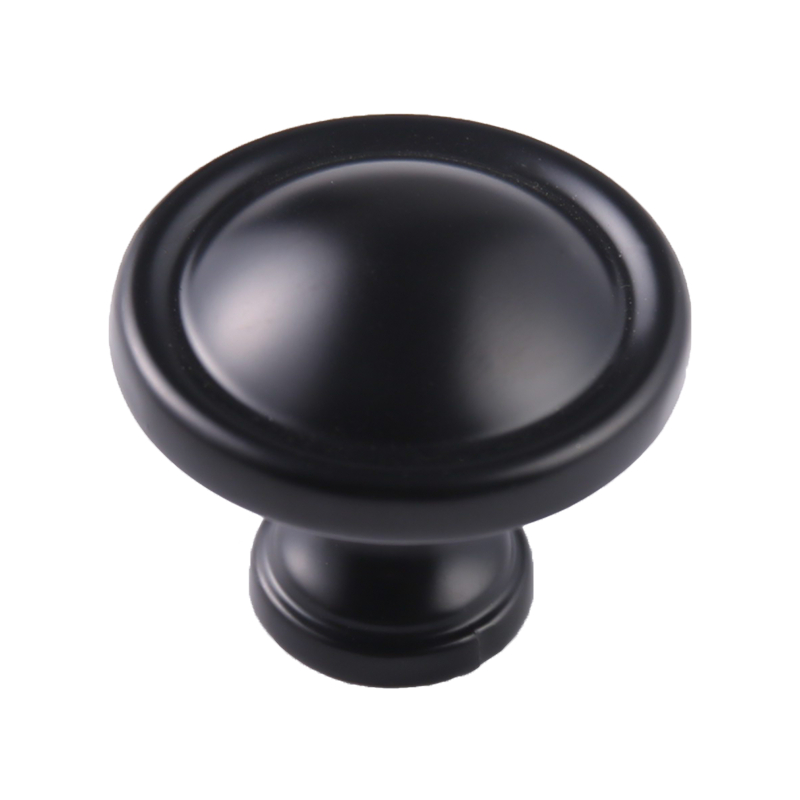
- Shaker-style doors: Choose simple cup pulls or round knobs with an antique or satin finish to maintain the traditional aesthetic.
- Louvered wardrobe doors: Use elongated handles that span multiple slats to create visual continuity and make pulling the heavy door easier.
- High-gloss lacquer finishes: Select handles with hidden mounting screws to preserve the sleek, seamless look of the glossy surface.
Maintenance Guidelines to Prolong Lifespan
While zinc alloy handles are inherently low-maintenance, implementing a basic care routine will preserve their aesthetic appeal and prevent the degradation of the protective plating over time.
- Gentle Cleaning: Wipe the handles regularly with a soft, damp microfiber cloth. This removes finger oils and surface dust before they can accumulate and become sticky.
- Avoid Abrasives: Never use scouring pads, bleach-based cleaners, or abrasive powders. These will scratch the protective plating, exposing the base zinc alloy to moisture and accelerating corrosion.
- Immediate Spill Response: In kitchens, acidic substances like vinegar or lemon juice can damage the finish if left to sit. Wipe away spills immediately with plain water.
- Periodic Tightening: Check the mounting screws bi-annually. The natural expansion and contraction of wooden cabinet doors can slowly loosen screws over time. A quick twist with a screwdriver prevents the handle from wobbling and putting uneven stress on the metal.
Environmental Considerations and Sustainability
In an era where sustainability is a growing concern, the lifecycle of building materials is increasingly scrutinized. Zinc alloy offers several environmental advantages that make it a responsible choice for eco-conscious consumers and builders.
Zinc is a highly abundant material that requires significantly less energy to extract and refine compared to metals like aluminum or copper. Furthermore, zinc alloy is fully recyclable at the end of its lifespan. When a zinc alloy handle is eventually discarded, it can be melted down and recast into new products indefinitely without any loss of structural integrity or purity. This closed-loop recycling capability drastically reduces the demand for virgin raw materials and minimizes the environmental footprint associated with hardware manufacturing.
Additionally, the exceptional durability of zinc alloy handles means they do not need to be replaced frequently. By choosing a handle that can last for decades, consumers actively reduce the waste generated by disposable, low-quality hardware that ends up in landfills after just a few years of use.
Common Myths and Misconceptions
Despite its widespread use, several misconceptions about zinc alloy persist in the market. Addressing these myths helps consumers make informed purchasing decisions based on facts rather than outdated assumptions.
Myth: Zinc Alloy Easily Breaks
This myth likely stems from a confusion between pure zinc and zinc alloy. Pure zinc is indeed brittle. However, the addition of aluminum and copper in the alloy transforms its mechanical properties, making it tough and impact-resistant. The resulting alloy is more than capable of handling the physical demands of daily cabinetry use.
Myth: The Plating Always Peels Off
Plating failure is a quality control issue, not an inherent flaw of the material. Premium zinc alloy handles that undergo proper surface preparation and multi-layer electroplating rarely experience peeling. Issues typically only arise with poorly manufactured, budget-tier handles where corners have been cut during the finishing process. Selecting handles from reputable sources ensures a durable, bonded finish.
Final Assessment of Zinc Alloy Hardware
Upgrading cabinetry and wardrobes is fundamentally an exercise in balancing cost, aesthetics, and longevity. Zinc alloy cabinet wardrobe handles master this balance. They provide the intricate detailing and premium weight of expensive solid metals, the structural toughness required for daily use, and the moisture resistance needed in demanding environments, all while remaining highly affordable and easy to install. By understanding how to evaluate the quality of the plating and matching the handle style to the specific door type, anyone can execute a hardware upgrade that dramatically elevates the look and feel of an entire room without the expense of a full renovation.