

 English
 русский
 Español
 عربى
عربى
As a professional hardware product manufacturing, R&D, design, and production enterprise, we are recognized as a pioneer in the hardware industry.
Investing in the right home hardware accessories is the most effective way to significantly enhance both the functionality and longevity of your living space. While they may seem like minor details compared to large furniture pieces or structural renovations, these components bear the daily physical stress of household use. Selecting high-quality hardware directly prevents premature wear, reduces maintenance costs, and elevates the overall aesthetic coherence of a room. Understanding the specific mechanical requirements of each area in your home and matching them with the appropriate materials and designs is the fundamental principle of successful home improvement.
Understanding the Core Categories of Home Hardware
To make informed decisions, it is essential to break down the vast world of home hardware into manageable categories. Each category serves a distinct mechanical purpose and faces different environmental stressors. Generally, these accessories can be divided based on their location and function within the house.
Cabinet and Furniture Hardware
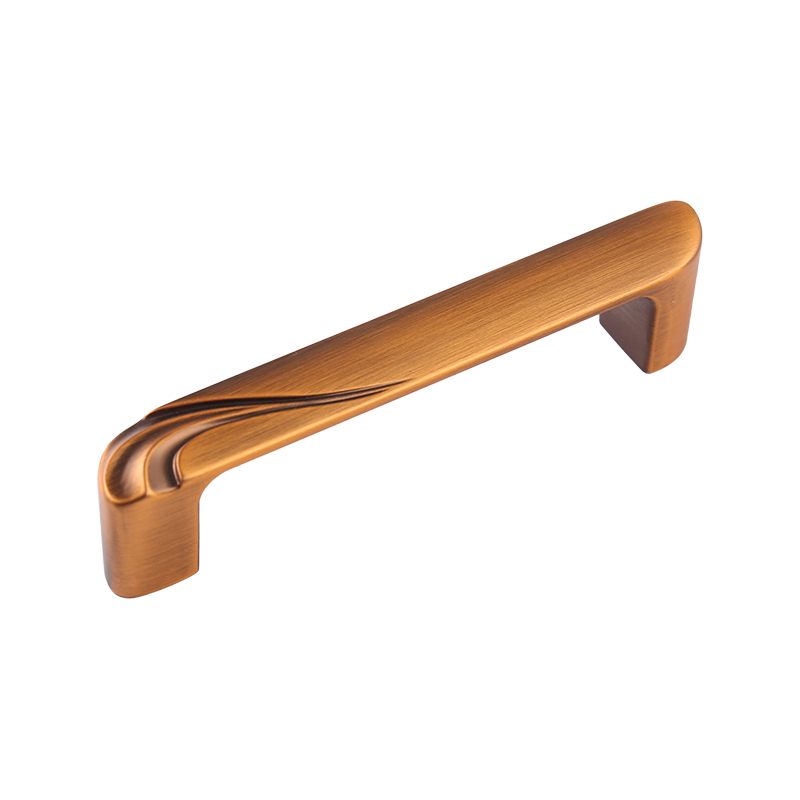
This category encompasses the components that allow furniture to operate smoothly. It includes hinges, drawer slides, handles, and knobs. The primary consideration here is weight capacity and frequency of use. For instance, a kitchen cabinet door is opened and closed multiple times a day, requiring robust hinges that can withstand continuous rotational stress. Drawer slides must support the weight of heavy cookware or utensils without bending or derailing. Soft-close mechanisms have become a standard expectation in this category, as they protect both the hardware and the cabinet frame from impact damage.
Door and Entryway Hardware
Entryway and interior door hardware are critical for security, privacy, and seamless movement throughout the home. This includes locksets, levers, deadbolts, and door hinges. Unlike cabinet hardware, door hardware must account for security vulnerabilities and heavy, repetitive impacts. The materials used here must be significantly more durable to resist forced entry and environmental exposure, especially for exterior doors.
Plumbing and Bathroom Hardware
Bathroom hardware is unique because it must survive constant exposure to moisture, humidity, and rapid temperature changes. Towel bars, robe hooks, toilet paper holders, and faucet handles fall into this group. The challenge here is corrosion resistance. Hardware that rusts or tarnishes quickly in a bathroom environment not only looks unpleasant but can eventually fail structurally, leading to broken towel bars or leaking fixtures.
Structural and Architectural Hardware
This is the hardware you rarely see but entirely depend on for safety. It includes brackets, braces, heavy-duty anchors, and fasteners used to secure shelving, wall art, and heavy furniture to the walls or floor. Structural hardware failures can lead to severe property damage or personal injury, making material strength and correct installation the absolute highest priorities in this category.
Material Selection: The Deciding Factor for Durability
The material composition of home hardware accessories dictates their lifespan, maintenance requirements, and suitability for specific environments. Choosing the wrong material for a high-moisture or high-traffic area is the most common mistake in home renovation.
| Material | Key Strengths | Ideal Application |
|---|---|---|
| Stainless Steel | Exceptional corrosion resistance, high tensile strength | Bathroom hardware, exterior fixtures, and outdoor kitchens |
| Solid Brass | Naturally antimicrobial, highly durable, premium finish | Interior door knobs, high-end cabinet pulls |
| Zinc Alloy | Highly malleable, cost-effective, complex shaping | Decorative handles, lightweight interior knobs |
| Wrought Iron | Extreme weight-bearing capacity, rustic aesthetic | Heavy shelf brackets, door hinges, stair balusters |
While stainless steel is often heralded as the ultimate material due to its rust resistance, it is important to note that not all stainless steel is created equal. Lower grades can still exhibit minor surface rust in highly saline or chlorinated environments. Solid brass, on the other hand, offers a timeless appeal and develops a unique patina over time, which many homeowners find desirable for classical or vintage interior designs. Zinc alloys are frequently used for intricately designed handles because the metal can be easily cast into complex molds at a low cost, though they may not withstand heavy physical abuse as well as brass or steel.
Matching Hardware to Specific Home Environments
A piece of hardware that performs flawlessly in a bedroom may fail rapidly in a kitchen. The environment dictates the specification requirements for the accessories you choose.
Kitchen Hardware Requirements
The kitchen is arguably the harshest indoor environment for hardware. Aside from high humidity from cooking and boiling water, hardware here is exposed to grease, acidic spills, and frequent heavy use. Cabinet pulls in the kitchen should feature a finish that resists fingerprint smudges and does not easily degrade when wiped down with common household cleaners. Drawer slides in the kitchen must be designated as heavy-duty, as pantry drawers often hold canned goods that exert immense downward pressure. Full-extension ball-bearing slides are highly recommended for kitchen drawers to ensure smooth operation even under maximum weight loads.
Bathroom Hardware Requirements
As previously mentioned, moisture is the primary adversary in the bathroom. However, there is an additional factor: cleaning chemicals. Bathroom hardware is frequently subjected to aggressive cleaning agents containing bleach or ammonia. Finishes like polished chrome or brushed nickel tend to hold up well against these chemicals, provided they are applied over a solid substrate rather than a cheap plating. Towel bars must be installed with specialized wall anchors designed for drywall or tile, as a wet towel can add surprising weight, and a ripped-out towel bar will cause significant wall damage.
Exterior Hardware Requirements
Exterior hardware faces the ultimate test of elemental endurance. Rain, UV radiation, freezing temperatures, and airborne pollutants all conspire to degrade locks, hinges, and handles. For exterior applications, the hardware must have a protective powder coating or be made from marine-grade stainless steel. The internal mechanisms of exterior locks should feature weather-resistant seals to prevent water from freezing inside the cylinder, which would render the lock completely inoperable during winter months.
The Impact of Finish and Aesthetics on Home Value
Beyond mechanical function, home hardware accessories play a profound role in the interior design narrative of a home. The finish of your hardware acts as the jewelry of the room, tying together disparate elements like flooring, cabinetry, and lighting fixtures into a cohesive visual experience.
One of the most critical rules in interior design is maintaining finish consistency. Mixing too many metallic finishes—such as polished brass, brushed nickel, and oil-rubbed bronze—in a single open space can create a chaotic and visually jarring atmosphere. Design professionals generally recommend selecting no more than two or three complementary metal finishes throughout a home to maintain visual harmony.
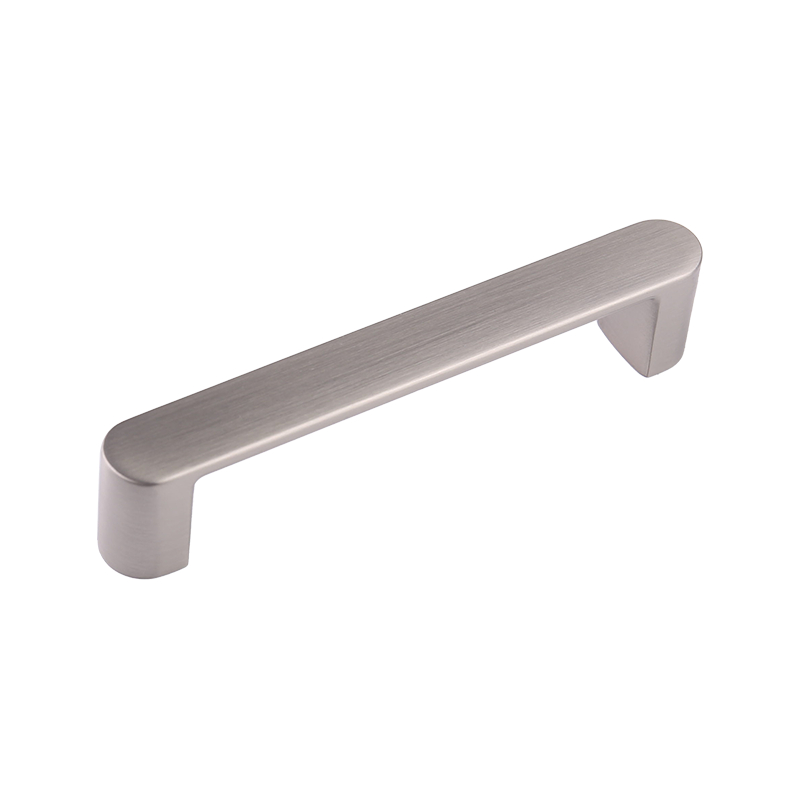
- Brushed Nickel: Offers a subtle, warm tone that blends seamlessly with stainless steel kitchen appliances. It is highly effective at hiding minor scratches and fingerprints.
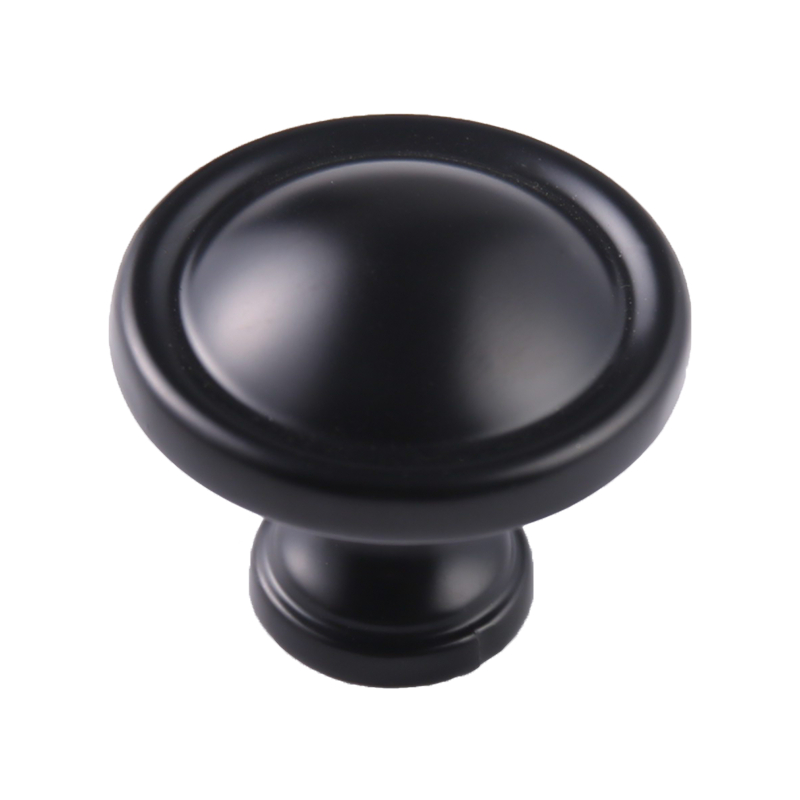
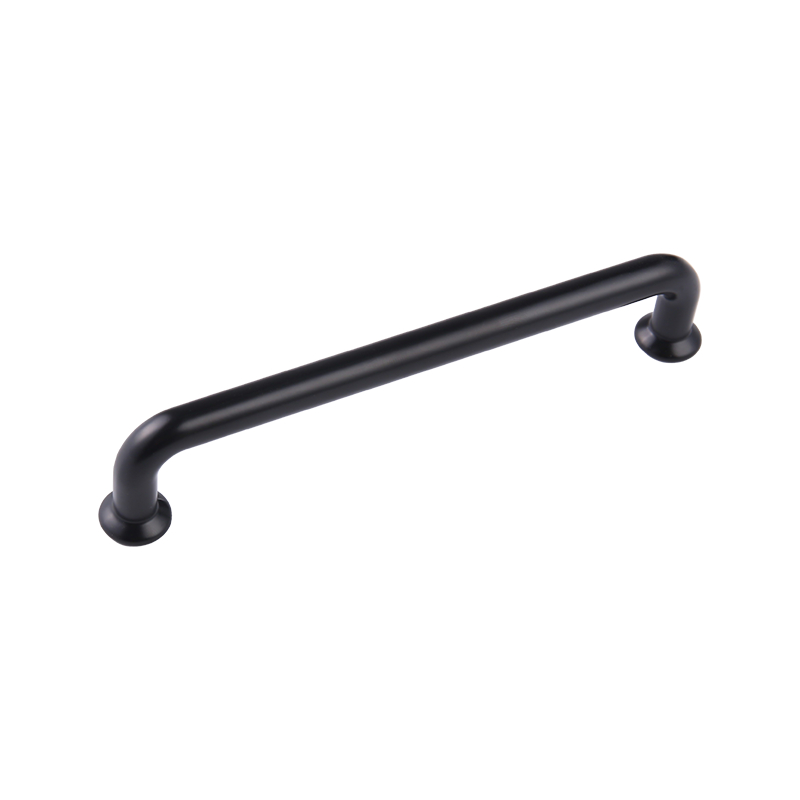
- Matte Black: Has surged in popularity for its bold, high-contrast appearance. It works exceptionally well in modern, industrial, or minimalist designs and hides water spots effectively.
- Polished Chrome: Provides a mirror-like finish that reflects light, making it an excellent choice for smaller bathrooms or spaces that need to feel brighter and more expansive.
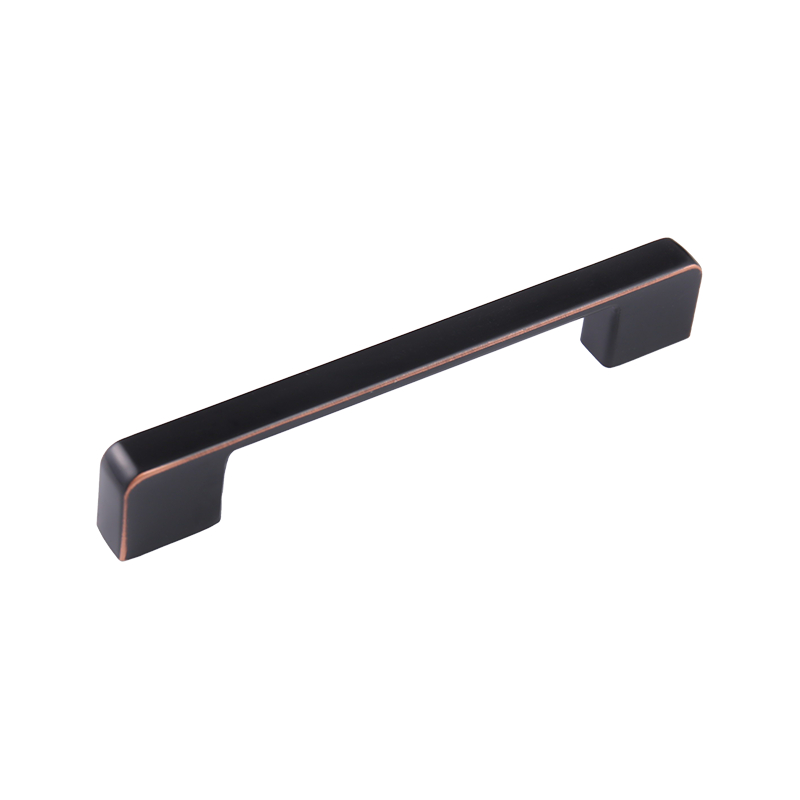
- Oil-Rubbed Bronze: Adds a rich, dark, and textured look that is perfectly suited for traditional, rustic, or farmhouse-style interiors.
When updating hardware for aesthetic purposes, it is vital to consider the undertones of the surrounding finishes. Cool-toned hardware pairs best with cool-toned paints and stones, while warm-toned hardware complements warm woods and earthy color palettes. Upgrading builder-grade hardware to premium finishes is a relatively low-cost renovation that yields a disproportionately high return on investment regarding perceived home value.
Ergonomics and Everyday Usability
Visual appeal should never supersede physical comfort. Ergonomics—the study of people's efficiency in their working environment—is a crucial but often overlooked aspect of selecting home hardware accessories. If a handle is beautiful but uncomfortable to grip, it will diminish the daily experience of using the space.
The profile and thickness of a cabinet pull directly influence how it feels in the hand. A pull that is too thin may dig into the fingers when opening a heavy, fully loaded drawer. Conversely, an excessively thick pull may be difficult for individuals with smaller hands to grasp securely. The edge profile is equally important; sharply angled rectangular pulls can cause discomfort, whereas pulls with slightly rounded or beveled edges provide a much more pleasant tactile experience.
For door hardware, the choice between a knob and a lever is heavily influenced by ergonomics and accessibility. Levers are significantly easier to operate for individuals with limited hand mobility, arthritis, or those whose hands are frequently occupied, such as when carrying laundry or groceries. From a purely ergonomic standpoint, lever handles are vastly superior to round knobs, which is why many modern building codes now require lever handles for accessible entryways. The placement height of these accessories also matters; standard measurements exist to ensure that hardware is accessible to both standing adults and individuals using wheelchairs.
Installation Best Practices for Long-Term Reliability
Even the highest quality home hardware accessories will fail prematurely if they are installed incorrectly. Proper installation is the bridge between a good product and a long-lasting result. The most critical aspect of installation is ensuring that the hardware is anchored securely to the underlying structure, not just to the decorative surface.
When installing shelf brackets, heavy towel bars, or wall-mounted accessories, you must locate the wooden wall studs behind the drywall. Relying solely on drywall anchors for heavy loads is a recipe for disaster, as the drywall itself is not a structural material. If a stud is not available in the desired location, specialized hollow-wall anchors, such as toggle bolts or molly bolts, must be used. These anchors expand behind the wall to distribute the weight across a larger surface area, providing a much more secure hold than standard plastic expansion anchors.
For cabinet hardware, consistency is key. Using a template or a jig ensures that all knobs or pulls are mounted at the exact same height and distance from the edge of the cabinet door. This consistency is not just about aesthetics; it ensures that the stress applied to the hardware during use is evenly distributed across all mounting points. Misaligned hardware can cause screws to loosen over time as the user inadvertently applies twisting force to the attachment point every time they open the door.
Essential Installation Tools
- Stud finder with deep-scanning capability for dense walls
- Self-centering drill bits to prevent screws from wandering in metal hinges
- A specialized cabinet hardware jig for repeatable, precise hole placement
- Torpedo level to ensure perfectly horizontal alignment of pulls and handles
- Properly sized screwdrivers to prevent stripping the heads of small hardware screws
Maintenance Strategies to Extend Hardware Lifespan
All mechanical components require some degree of maintenance to operate at their best. A proactive maintenance routine can add years to the life of your home's hardware accessories and keep them looking as good as the day they were installed.
The most common enemy of moving parts is friction, which is mitigated by lubrication. Hinges, especially on heavy entry doors, should be lubricated annually. However, it is crucial to use the correct type of lubricant. Standard WD-40 or other penetrating oils can attract dust and dirt, eventually creating a sticky, gummy residue inside the hinge barrel. Instead, a dry lubricant, such as silicone spray or Teflon-based lubricant, is preferable as it reduces friction without leaving a sticky residue. For interior cabinet hinges, a simple wipe down with a dry cloth is usually sufficient to remove accumulated dust from the pivot points.
Cleaning hardware finishes requires a gentle approach. Abrasive cleaners, scouring pads, or harsh chemical solvents can easily strip the protective clear coat from brass or bronze hardware, exposing the raw metal to rapid oxidation and tarnishing. Mild soap and warm water, applied with a soft microfiber cloth, are the safest cleaning agents for all types of hardware finishes. After cleaning, thoroughly drying the hardware prevents water spots, particularly on polished chrome surfaces.
Tightening hardware is another simple yet vital maintenance task. The constant vibration and movement associated with opening doors and drawers gradually cause screws to back out. A quick walkthrough of the home twice a year with a screwdriver to tighten loose knobs, pulls, and hinges can prevent further damage. When a screw becomes loose repeatedly, it is often a sign that the internal wood fibers have stripped. In this case, removing the screw, applying a small amount of wood glue, and inserting a wooden toothpick into the hole can provide new material for the screw to bite into, securing the hardware firmly once again.
Future Trends in Home Hardware Accessories
The hardware industry is continuously evolving, driven by advancements in technology and changing consumer lifestyles. Staying aware of these trends can help homeowners make choices that keep their spaces modern and functional for years to come.
The most significant trend is the integration of smart technology into traditional hardware. Smart locks, which allow keyless entry via fingerprints, PIN codes, or smartphone connectivity, are becoming increasingly common in residential settings. These devices offer enhanced security features, such as temporary access codes for service personnel or real-time alerts when a door is left unlocked. Similarly, interior cabinet hardware is seeing the introduction of touch-to-open mechanisms, which eliminate the need for visible handles entirely, creating a seamless, minimalist facade that is highly sought after in contemporary kitchen design.
Sustainability is another driving force in hardware manufacturing. Consumers are becoming more conscious of the environmental impact of their renovation choices, leading to a rise in demand for hardware made from recycled metals or produced using eco-friendly manufacturing processes. Finishes that are free of volatile organic compounds and heavy metals are also gaining traction, ensuring that indoor air quality is not compromised by the very materials used to build the home.
Finally, there is a noticeable shift toward maximalism and bold hardware choices after years of understated, invisible hardware trends. Oversized pulls, heavily textured finishes, and mixed-material designs—such as leather-wrapped handles or wood-and-metal combinations—are being used to add personality and a sense of luxury to otherwise standard cabinetry. This trend underscores the shift in how consumers view home hardware accessories: not merely as functional necessities, but as integral pieces of interior art that define the character of the home.