

 English
 русский
 Español
 عربى
عربى
As a professional hardware product manufacturing, R&D, design, and production enterprise, we are recognized as a pioneer in the hardware industry.
In the design logic of interior spaces, the seemingly inconspicuous Clothes Hook often carries a practical value far exceeding its appearance. As consumers continue to focus on living quality and storage experience, Clothes Hooks are gradually becoming a core product in a niche category of the home furnishing industry, combining aesthetics, durability, and functionality. Whether in a home environment or a commercial setting, its material craftsmanship, structural safety, ease of use, and decorative attributes directly impact the overall comfort and sense of order of the space.
Clothes Hook Material Upgrades and Structural Logic
In the technological iteration of modern home furnishing products, the materials used in Clothes Hooks have gradually shifted from traditional wood and iron to high-strength alloys, stainless steel, and composite materials. With improved manufacturing precision, more refined surface treatments are becoming increasingly common in the industry, resulting in smoother textures and greater durability. Structural design also demonstrates a higher degree of engineering focus, with emphasis on load-bearing control from a mechanical perspective, optimization of stress-bearing surface morphology, and anti-fall-off design. By rationally planning the force points and directions, Clothes Hook not only reduces the risk of loosening but also maintains stability over long-term use. This seemingly minor structural optimization directly determines the product's lifespan.
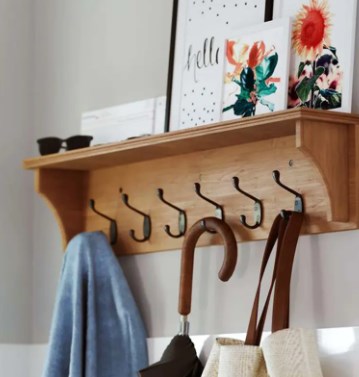
At the manufacturing technology level, more and more companies are integrating precision casting and multiple quality inspection processes into the production process to ensure the product remains stable under changes in temperature and humidity, external force, and even frequent use. Specialized fixing systems for different wall materials have also emerged in the industry, ensuring the Clothes Hook's safety in various scenarios. As the home improvement industry becomes increasingly sophisticated, these engineering-level details are becoming a basic requirement for users seeking high-quality storage hardware.
The Evolution of Appearance Design Driven by Spatial Aesthetics
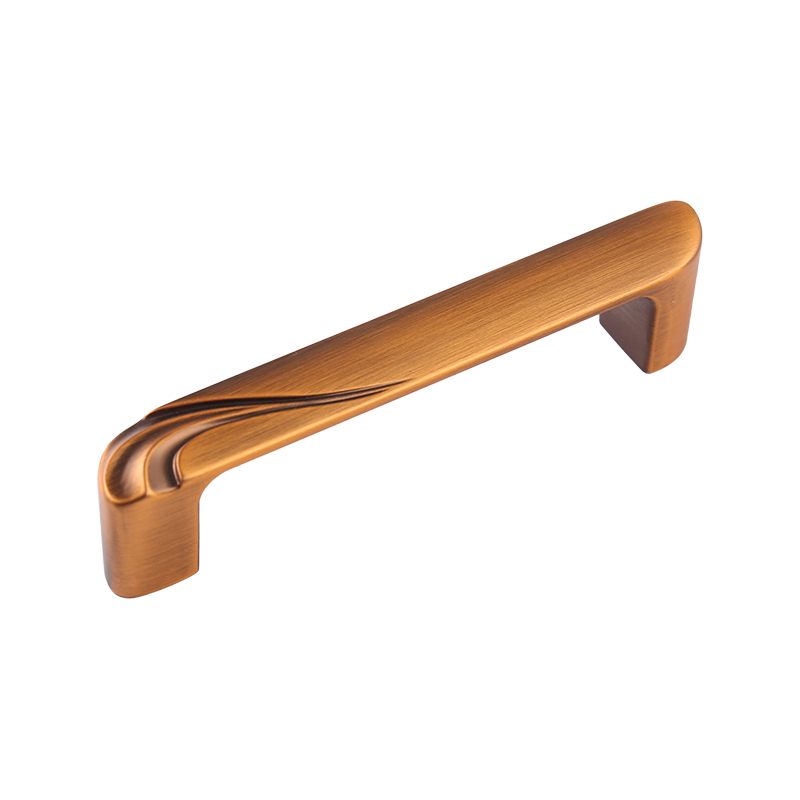
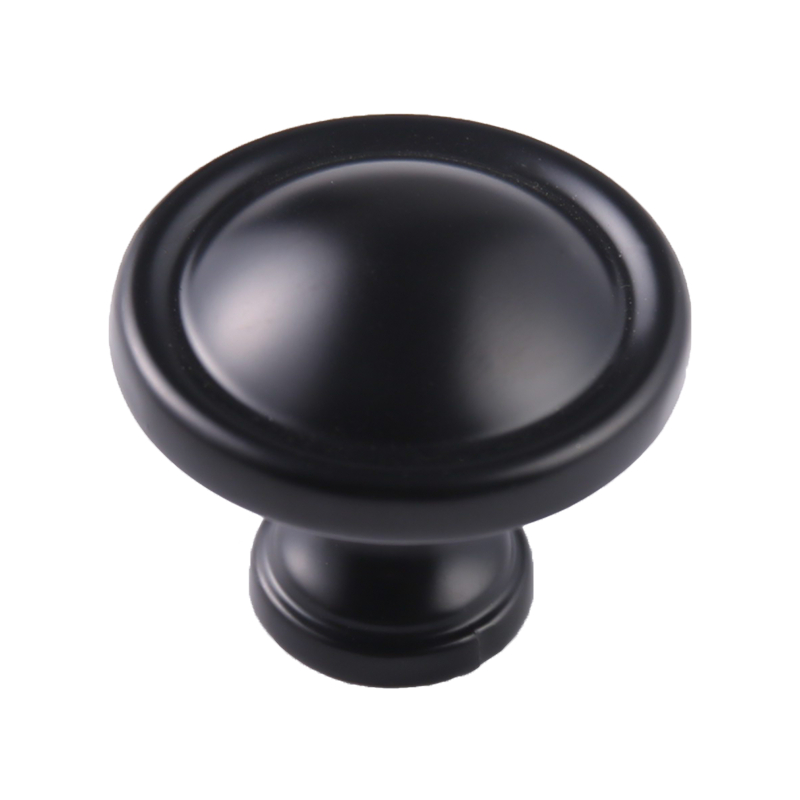
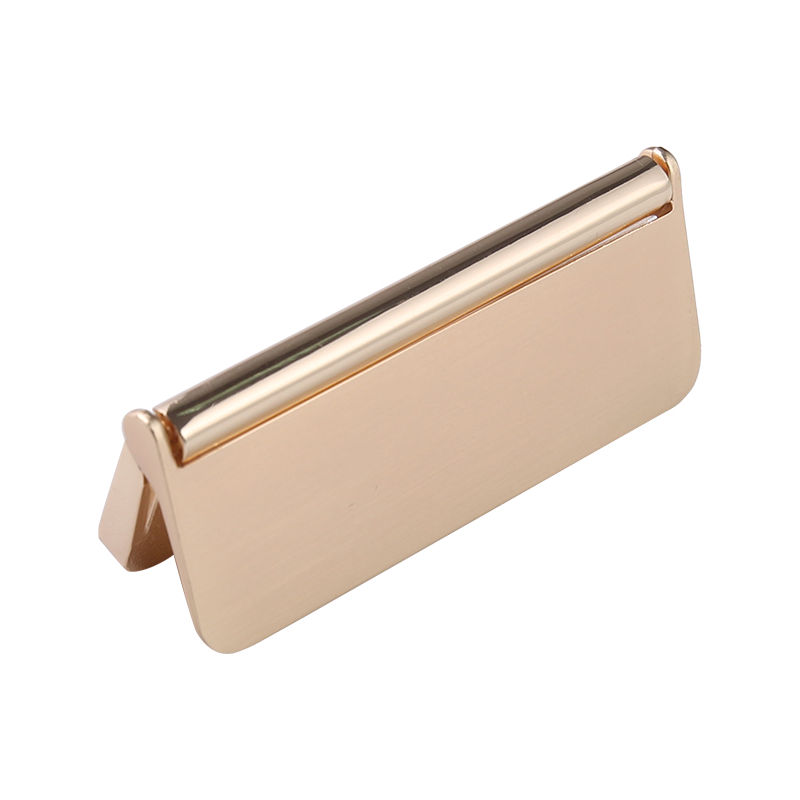
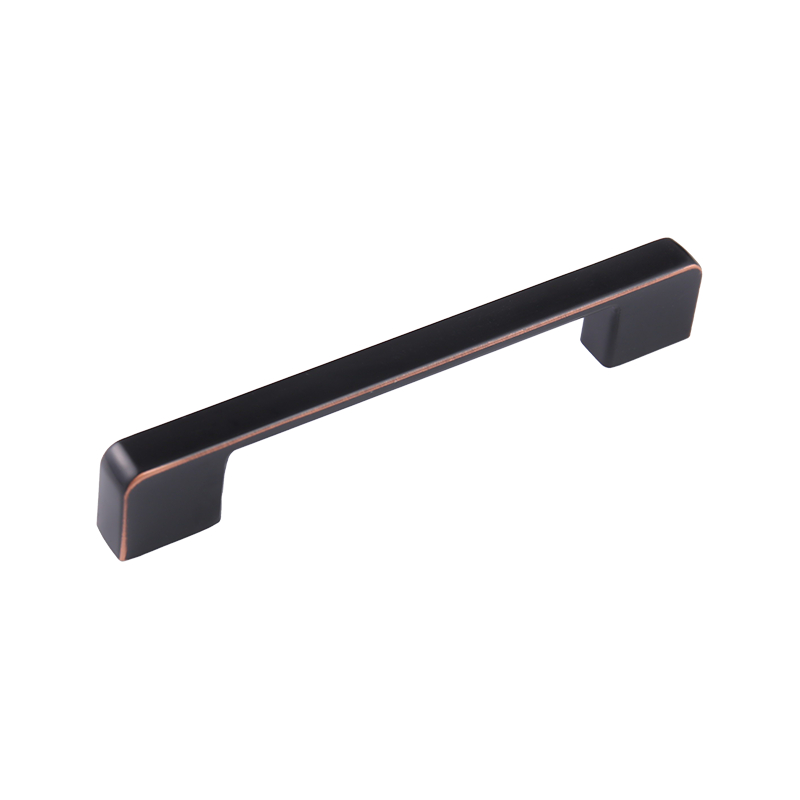
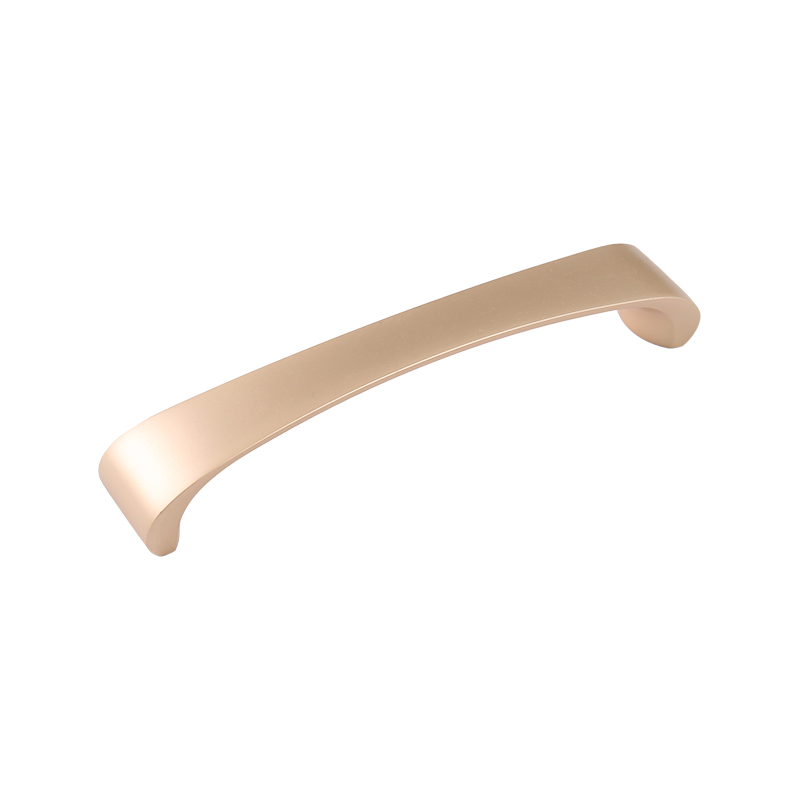
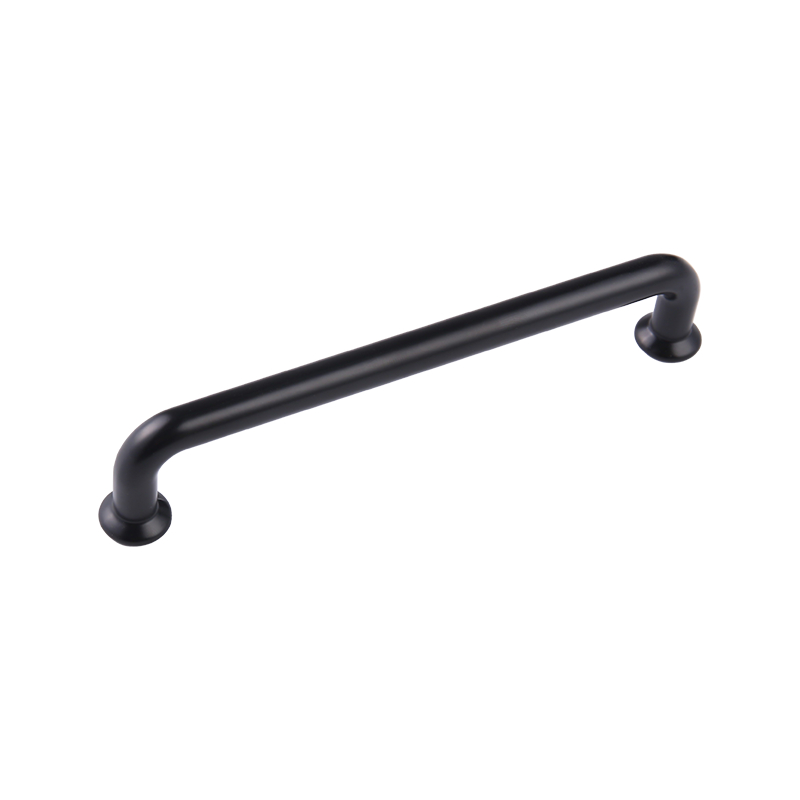
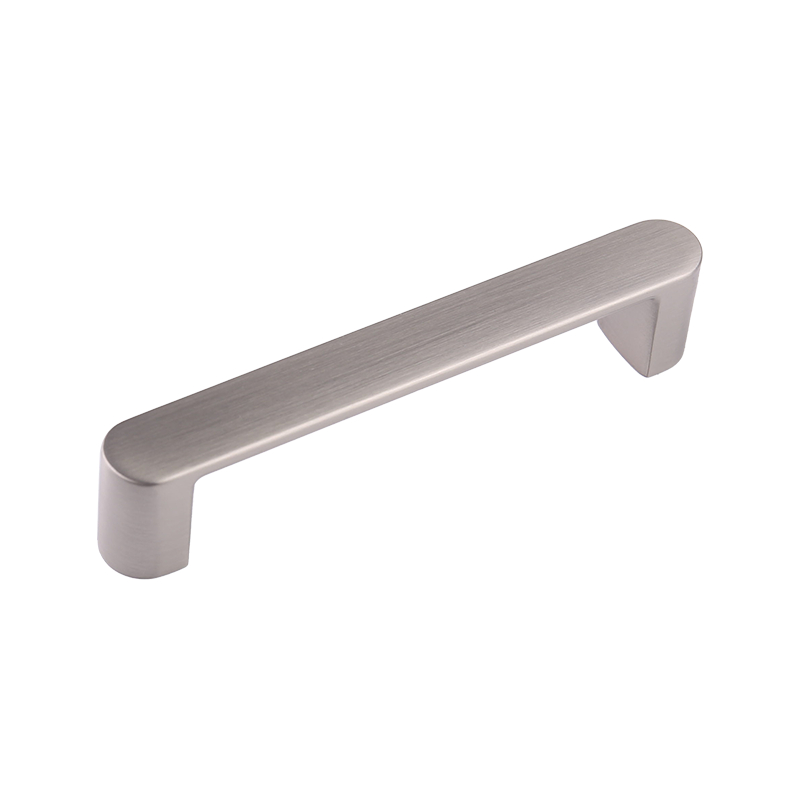
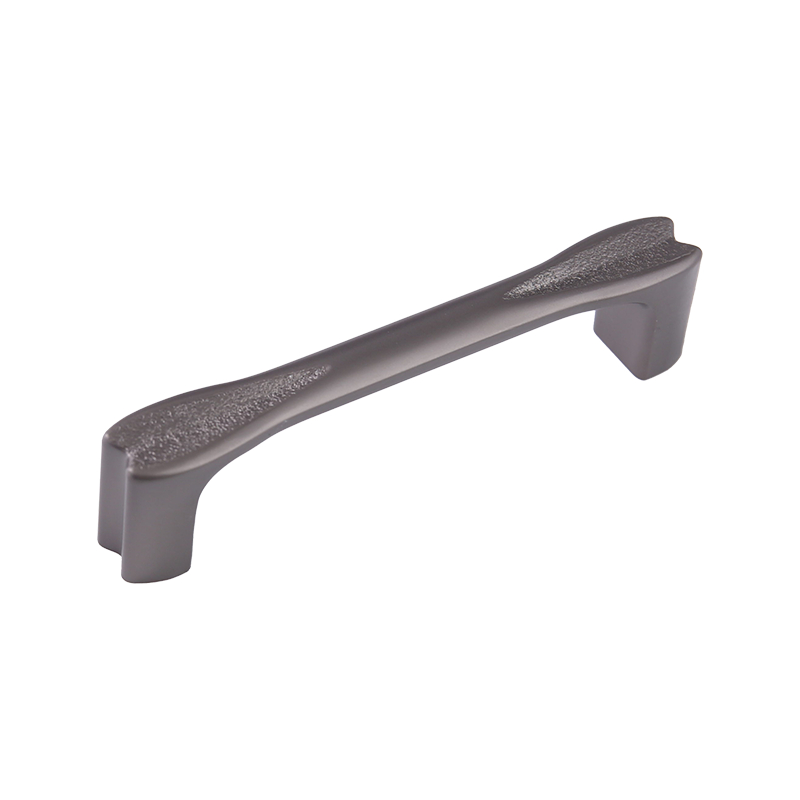
The appearance design of Clothes Hook has undergone a transformation from prioritizing function to emphasizing both aesthetics and function. The continued rise of minimalist style in the market has led to greater attention being paid to designs with smooth lines and simple forms. Matte metal, frosted black, warm white, and light gold color schemes are becoming common choices in interior design. These colors offer better visual compatibility, allowing for a natural transition into various style systems such as Scandinavian, modern, minimalist luxury, or natural wood.
Designers are emphasizing a "subtle presence" in their exploration of design language, allowing Clothes Hooks to blend seamlessly into walls and furniture while retaining their independent character. Through the use of curved proportions, shadow control, and surface details, a tiny object is transformed into a crucial element in the spatial order. As younger users' aesthetics become more defined, the decorative value of Clothes Hooks is increasingly prominent; they are no longer simple storage devices but visual symbols that express lifestyle taste.
The Trend of Functional Refinement Driven by User Needs
With the diversification of living scenarios, the functionality of Clothes Hooks continues to expand towards greater refinement. Beyond basic hanging functions, it increasingly emphasizes a smooth user experience, including smooth hanging paths, delicate touch edges, and the application of anti-slip structures. These details directly impact the comfort of daily use. To accommodate items of various materials and shapes, the industry is continuously optimizing the curvature of the hanging surface to ensure more even stress distribution and reduce strain on the fibers.
Influenced by the concept of smart homes, some products are incorporating multi-purpose design ideas, achieving concealed storage, extendable structures, or dynamically adjustable forms, allowing Clothes Hook to achieve more efficient storage capabilities in limited spaces. As consumers increasingly value the concept of "burden-free living," simplifying operation steps and optimizing smoothness have become design focuses, enabling the product to seamlessly integrate into the rhythm of life and be used without conscious thought.
Application Value in Commercial and Home Scenarios
In commercial spaces, the application of Clothes Hook exhibits a stronger systematic characteristic. Hotels, apartments, and offices emphasize overall visual harmony; therefore, the product not only needs to be stable and reliable but also maintain a unified aesthetic standard. In high-frequency use environments, wear resistance and oxidation resistance become important indicators for judging product quality. Through the matching of structural stability and material durability, Clothes Hook can maintain a good condition for a long time in various public scenarios.
In a home environment, its value lies primarily in organizing spatial order and improving storage efficiency. Whether in the entryway, bedroom, or bathroom, a well-planned layout and a unified style with Clothes Hooks can significantly improve the tidiness of the space while creating a more sophisticated living atmosphere. With the continued growth in demand for small apartments, Clothes Hooks, as flexibly configurable storage units, are also beginning to play a role in optimizing traffic flow, allowing for a more spacious and comfortable living experience within limited area.
Conclusion
Although small in size, Clothes Hooks play a structural role in spatial aesthetics and efficiency. As more and more users begin to focus on the comfort brought by details, this seemingly simple object will continue to gain higher recognition for its value. Through continuous optimization of materials, design, craftsmanship, and experience, it is becoming an indispensable key element in modern lifestyles.